


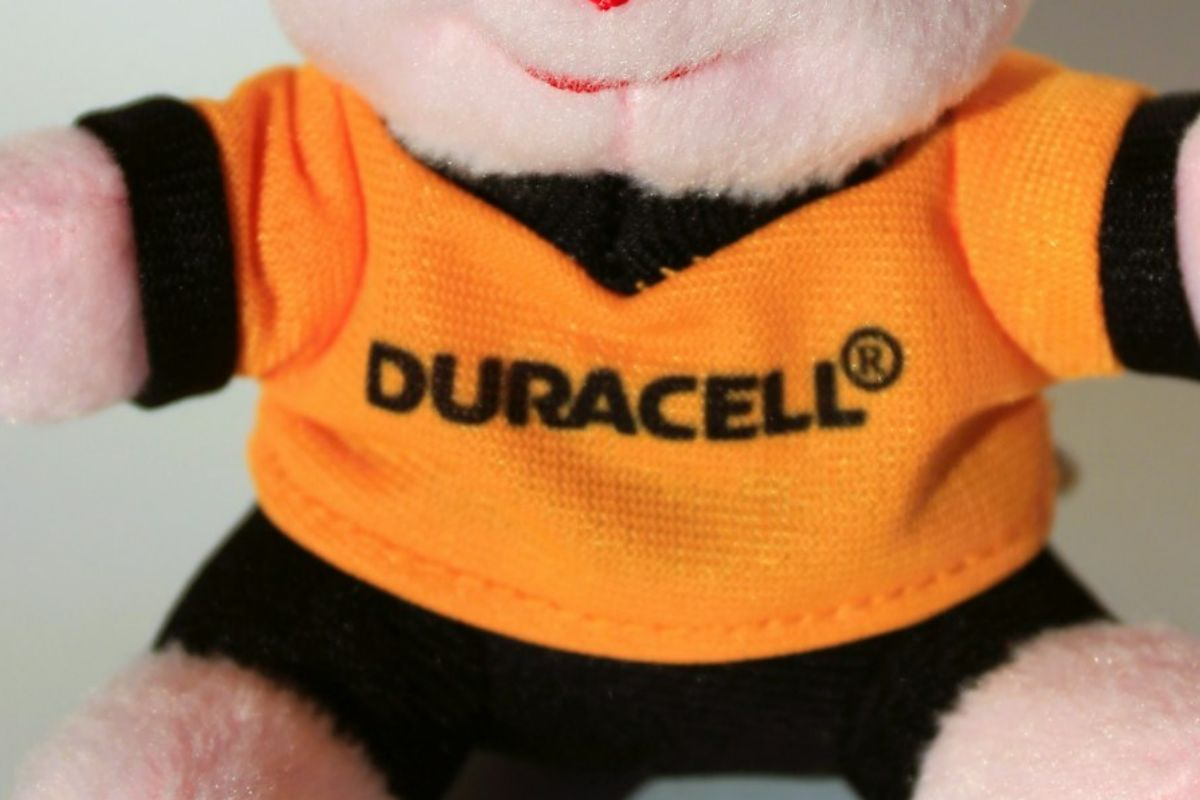
At Jafari Law Group, we often talk with business owners who assume trademark disputes are only about names and logos. The long-running fight over the Duracell bunny and the Energizer Bunny shows why that is not true. A mascot can become a major brand asset, and when two competitors use similar characters, the legal issues can turn on trademark rights, contracts, geography, and consumer confusion.
The short answer: both companies do, but not everywhere
This dispute is famous because the answer is not a simple one. Duracell used a pink battery bunny in advertising years before Energizer launched the Energizer Bunny in the United States. Yet Energizer built strong rights in its bunny in the United States and Canada, while Duracell kept rights in other markets under a 1992 settlement that divided use of the rabbit-themed branding by territory. That is why consumers outside North America may see a Duracell bunny, while U.S. consumers usually associate a drumming pink bunny with Energizer.
How the dispute started
Duracell’s bunny dates back to the 1970s. Later, Energizer introduced its own bunny in U.S. advertising, and that character became one of the most recognizable mascots in battery marketing. Once both companies were claiming rights tied to similar bunny imagery, a trademark conflict followed. According to Energizer’s 2016 complaint, Energizer filed a U.S. trademark application for its bunny in 1989, Duracell filed its own bunny application in 1990, and the companies resolved that conflict through a January 10, 1992 agreement.
That agreement matters more than many people realize. The terms were confidential, but court filings describe it in broad terms as restricting Duracell’s use of its bunny in the United States. In practical terms, the arrangement created a territorial split: Energizer’s bunny rights controlled in the United States and Canada, while Duracell retained bunny rights in other regions.
Why the fight came back decades later
The dispute did not stay buried in the 1990s. In 2016, Energizer sued Duracell after Duracell batteries bearing the Duracell bunny allegedly appeared in U.S. stores and online retail channels. Energizer claimed that sales of bunny-branded Duracell packaging in the United States breached the 1992 agreement and infringed Energizer’s rights by creating a likelihood of consumer confusion.
Duracell’s position was different. Public reporting at the time said Duracell argued those products were intended for foreign markets and were reaching the United States through third-party distributors or resellers. Duracell also argued that it was not using the bunny in U.S. advertising and should not be held responsible merely because overseas packaging showed up here.
What the court said
The 2017 summary judgment ruling is a useful reminder that a strong trademark story does not always translate into a winning case. By that point, Energizer had already dropped some of its direct trademark claims. The court then granted summary judgment for Duracell on the remaining breach of contract claim, the contributory trademark claims, and the remaining Missouri unfair competition claim. A key reason was proof: the court found no evidence that Duracell had the kind of control over the third-party retailers needed under the contract theory advanced by Energizer, and no evidence that Duracell had supplied the products to those retailers for contributory liability purposes.
That part of the case is worth noting for businesses. Trademark law is often discussed in broad terms, but lawsuits are won and lost on details such as control, distribution channels, licensing relationships, and what a company actually authorized others to do.
What businesses can learn from the bunny dispute
One lesson is that trademark rights can be split by territory. A company may have strong rights in one country and weak or nonexistent rights in another. That is especially important for brands that sell online or through international distribution. The bunny dispute shows how a brand asset can be lawful in one market and a serious problem in another.
Another lesson is that contracts matter just as much as registrations. Many businesses focus on filing applications with the USPTO but pay less attention to settlement terms, coexistence agreements, or distributor controls. Here, the 1992 agreement remained central decades later.
A third lesson is that companies should pay close attention to gray-market or diverted goods. Even if products are packaged lawfully for another country, that does not mean they can move into the U.S. market without consequences. Brand owners should review packaging, reseller terms, marketplace listings, and internal controls before a trademark problem lands in court.
Why this dispute still matters
The Duracell and Energizer bunny fight remains a useful example because it is easy to understand and legally rich at the same time. It involves priority, branding, territorial rights, settlement agreements, downstream sales, and the question every trademark owner eventually faces: how much control do we really have over where our branded goods end up?
For companies building a brand, the takeaway is straightforward. Choose protectable branding early, clear it before launch, register it in the markets that matter, and make sure your contracts match your trademark strategy. A memorable mascot can help a business stand out. It can also become the center of a dispute that lasts for decades.
If your business is dealing with trademark clearance, enforcement, coexistence issues, or online sales that cross borders, Jafari Law Group offers free case evaluations.